
Your Waste Hauler Is Probably Guessing. Here Is What That Costs You.

Johanna Behm

A sustainability director at a major North American venue group told us something that has stayed with me since.
In reviewing waste vendor contracts across multiple large venue operators, a pattern emerged that nobody in the industry talks about publicly. Major waste vendors routinely assign a default fill level to bins when the driver does not physically measure. In one common contract we reviewed, that default was set at 65%.
The margin of error compounds quickly. A 65% default applied across hundreds of pickups per month, across dozens of properties, adds up to significant billing discrepancy with no way to verify or dispute it. But the financial cost is only half the problem. If the data feeding your sustainability reports is estimated rather than measured, your waste diversion rates, your landfill totals, and your carbon calculations are all built on an assumption with a major margin of error.
The Estimation Problem Nobody Talks About
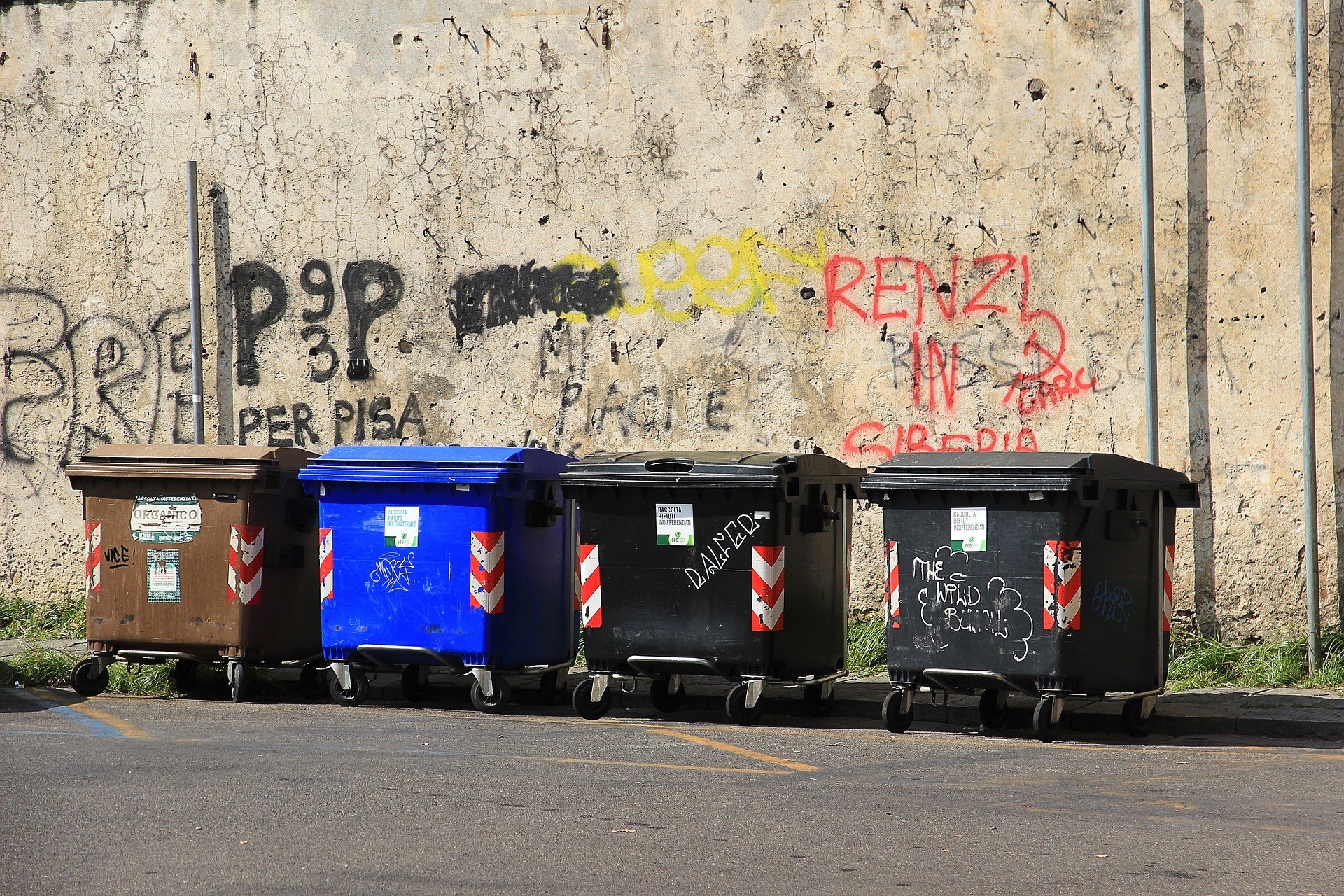
Across the live events and hospitality industry, waste data is the most manually tracked, most unclear, and most financially opaque resource in venue operations.
Energy has utility meters. Water has utility meters. Waste has a driver with a clipboard, a default percentage, and an invoice that arrives weeks after the event has ended.
This matters for two reasons:
First, venues are paying for estimates, not measurements. When a hauler bills by weight or volume, and that weight or volume is estimated rather than measured, you have no way to verify whether the invoice reflects what actually happened. The 65% default is not malicious. It is the industry filling a data vacuum with a number. But you are paying for that number as though it were real.
Second, nobody can attribute waste to specific events or clients. A convention center hosting three simultaneous events shares its compactors, its loading docks, and its hauler pickups. When the invoice arrives, it reflects the building's total waste for the month. Which event generated the most? Which events caused tripling of the organic waste this month? Which trade show teardown filled two extra pickups that the venue absorbed into its operating costs? Are we even getting billed correctly? The answer, in nearly every venue we have spoken with across North America and Europe, is: we have no idea.
The Financial Consequence
The inability to attribute waste to specific events and clients is not just a sustainability reporting problem. It is a revenue problem.
When a venue cannot show a client what their event actually produced, they cannot charge for overconsumption. When they cannot verify hauler invoices against actual pickup data, they cannot dispute overbilling. When they cannot see patterns across their event calendar, they cannot optimize waste management programs or hauling schedules, negotiate better contracts, or hold vendors accountable for the commitments they made during procurement.
The industry has documented systemic overbilling in waste hauling. In 2023, New York City's Business Integrity Commission settled with waste hauler Cogent Waste Solutions for $500,000, the largest settlement in the agency's history, for overcharging customers in close to 5,000 instances over three years. In 2025, medical waste company Stericycle settled for more than $2 million for similar overbilling violations. These are not isolated incidents. They reflect what happens when an entire industry accepts estimated data because verified data is too hard to collect.
These are not isolated incidents. They are what happens when an entire industry accepts estimated data because verified data is too hard to collect.
Why This Has Been So Hard to Fix
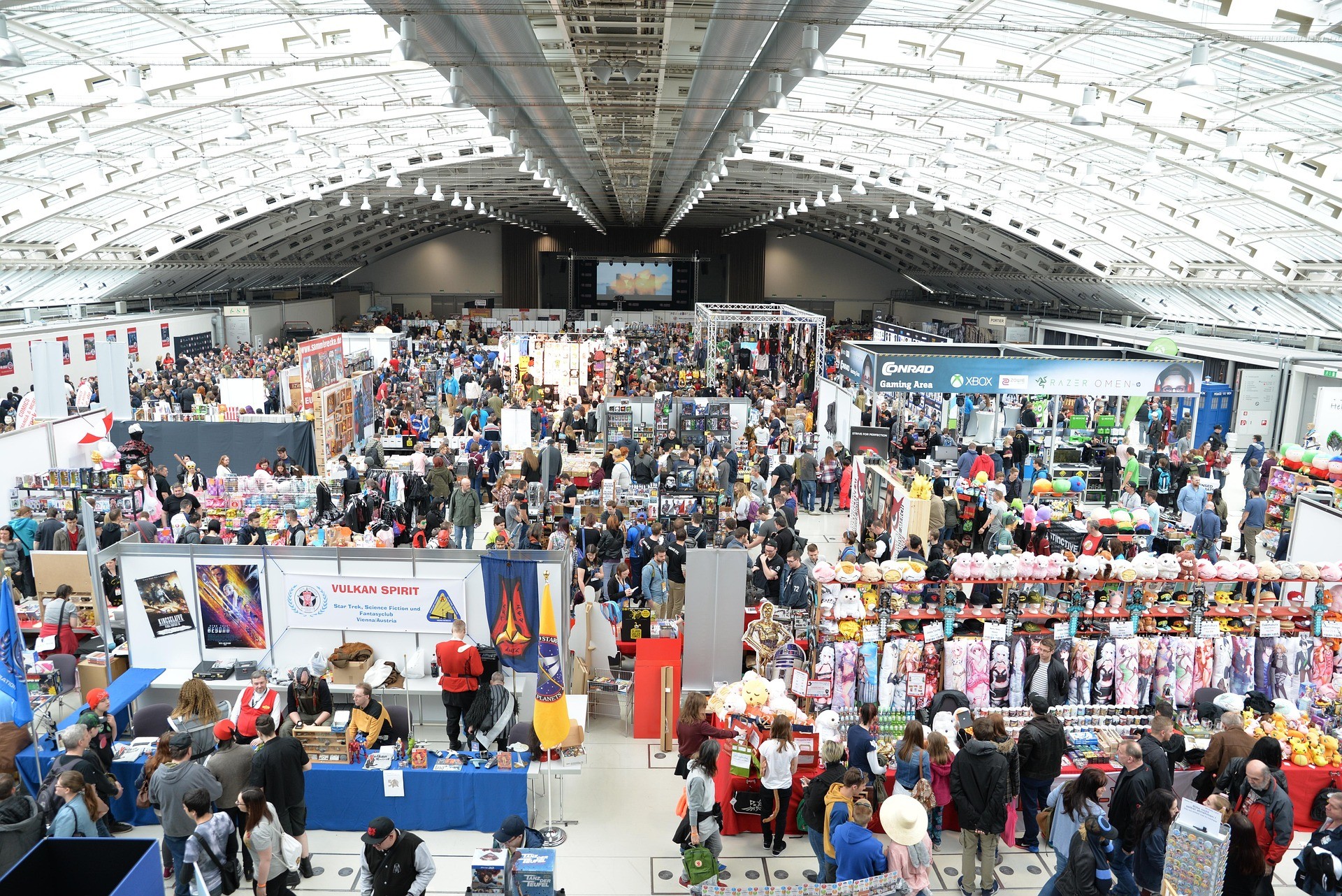
The barriers to accurate waste data at the event level are real and structural.
Venues share compactors across concurrent events, making individual attribution technically difficult. Hauler pickups happen on their schedule, not the venue's, introducing timing gaps between waste generation and data capture. Invoices arrive weeks after events, long after the moment when the data could have informed any operational decision. And the technology to solve this, whether compactor pressure sensors, computer vision at the dock, or automated invoice parsing, has historically required capital investment and integration work that most sustainability teams do not have the budget or bandwidth to pursue.
The result is that even the most sophisticated, well-resourced venue operators in the world, the kind with dedicated sustainability teams and public Net Zero Carbon commitments, are still working from estimated waste data provided by vendors whose incentives are not always aligned with accuracy.
What Changes When the Data Is Real
The question worth asking is not whether waste data is hard to collect. It is what becomes possible when you collect it properly. When waste data is attributed to specific events and verified against hauler invoices, several things shift simultaneously:
Venues can identify which event types consistently generate the most waste and brief those clients before their next move-in rather than discovering the problem in a report that arrives a month later.
Venues can dispute invoices that do not match actual pickup activity, recovering costs that are currently absorbed into operating expenses.
Venues can show clients verified waste data as part of their sustainability reporting, rather than estimates derived from industry averages or hauler defaults.
And over time, as that data accumulates across events, venues begin to see patterns that no one has ever seen before at this level of specificity: which catering configurations minimize organic waste, which move-in schedules reduce excess pickup calls, which event types are genuinely becoming more sustainable year over year and which ones need more guidance.
None of this requires replacing existing systems. It requires connecting to the data that venues are already generating, at the dock level and the invoice level, and attributing it accurately to the events that produced it.
A Different Kind of Sustainability Conversation
The industry has spent years talking about waste diversion targets, zero-waste certification, and composting programs. These are worth doing. But they are also, fundamentally, aspirational unless they are backed by data that someone can actually verify.
The 65% default is not the villain in this story. It is a symptom of an industry that has not yet built the infrastructure to know what it actually produces. That infrastructure is being built now. And the venues that start measuring accurately, at the event level, with verified primary source data, will have a very different conversation with their clients, their haulers, and their finance teams than the ones still working from estimates.
What we can measure, we can manage. What we cannot measure, we pay for anyway.
Envire automates sustainability data collection for live event venues, connecting utility systems, waste haulers, and event management platforms to attribute resource consumption to individual events. Learn more at envire.ai.


